아홉 개의 숲(Nine Forests)
SSS(System for Subsonic Skills)는 측정되지 않고 의식의 문턱 아래에 놓인 기량을 통해 인간만이 고유하게 키워낼 수 있는 것이 무엇인지를 밝혀내고자 노력해왔다. 그것은 대체로 최종 형태를 처음의 조건에서 예측하거나 도출할 수 없는 것들로, 그것을 '아음속'의 사고 체계라 부르기로 하였다. 여기에는 겉으로 드러나지 않는 의도와 쉽게 배울 수 없는 기법이 담겨 있고, 그럼에도 관찰자에게 가치 있는 무언가를 전한다.
아음속의 층위는 AI가 아직 대체하지 못한 인간의 자질을 드러낸다. 낙관적으로 말하면, 앞으로도 AI가 대체하지 못해야 할 자질이기도 하다. 날것 그대로 스스로 진화하는 의도와 실행이 그러한 작업의 동력이기 때문이다. SSS는 이 아음속 기량의 체계를 100가지가 넘는 인간 역량으로 이루어진 해석 가능한 온톨로지로 정의한다. 이 온톨로지는 인간의 의도와 스스로 진화하는 실행을 포착한다. 이 체계는 사실 AI를 통해 발견되었다. 호기심 에이전트는 한 사람의 경험을 탐색하며, 그 경험 속에 묻힌 아음속의 기량을 스스로 발견하도록 돕는다.
이러한 의도는 세 가지 공간에서 그 결과물을 빚는다. 소리 작업이 설치되는 물리적 공간, LLM이 인간을 흉내 내는 임베딩 공간, 그리고 작가의 개인적 결의가 관찰자의 생각을 직간접적으로 바꾸어 놓는 지각의 공간이다. 우리는 SSS를 통해 사람들이 자신의 아음속 기량을 하나의 체계로 삼아 이 세 공간을 다루게 되기를 기대한다. 그 체계가 만드는 가치는 만족스러우면서도 놀랍고, 인간이나 AI의 뻔한 능력과는 직교한다.
SSS의 첫 번째 발표 《아홉 개의 숲》은 하나의 개체 안에서 결코 소진되지 않고 남아 있는 부하(load)를 각기 다른 재질과 형태를 가진 사물의 공명에 의태한다. 아직 이름을 얻지 못한 역량의 잠재력, 숫자로도, 언어로도 결코 환원되지 않는 아음속의 자질이 아홉 채널의 목소리로 출력된다. 비명, 그르렁거림, 주파수 도약처럼 규칙적인 주기에서 벗어난 발성은 의미론적으로 독해되기를 거부하며, 음성 인식이 가장 자주 실패하는 소리라는 점에서, 아음속의 자질을 표현하는 데 적합한 것으로 드러났다.
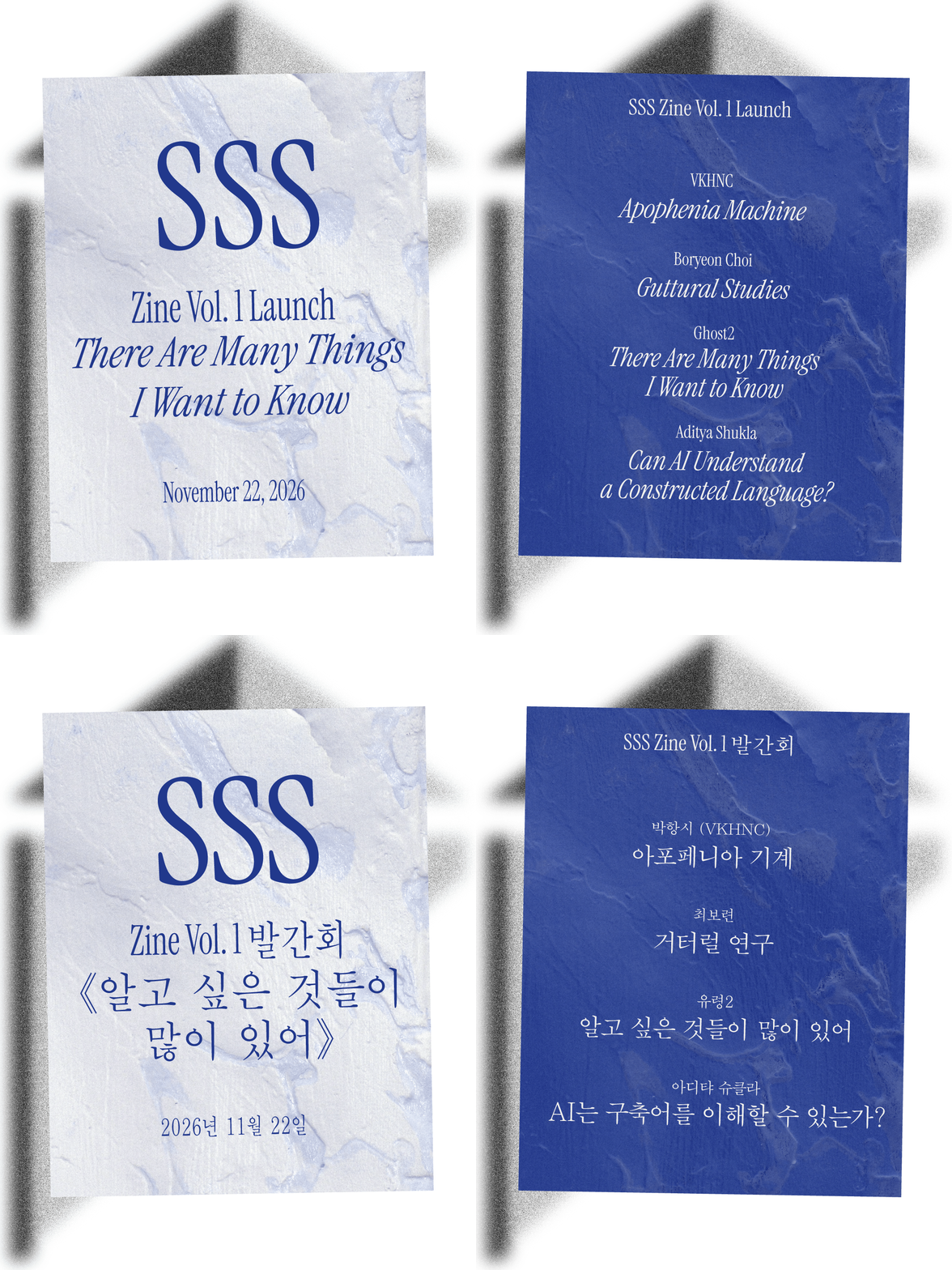
해독되지 않는 것을 어떻게 듣고, 읽고, 알아낼 것인가? SSS 진은 이 질문을 둘러싸고 서로 다른 자리에서 쓴 글을 모은 웹진으로, 전시와 함께 공개된다. 전시 마지막 날인 11월 22일(일) 오후 2시~5시에 SSS 진 발간회 《알고 싶은 것들이 많이 있어》가 열린다. 필자 네 명이 각자의 주제로 발표한 뒤, 함께 합주한다. 박항시는 〈아포페니아 기계〉, 최보련은 〈거터럴 연구〉에 관해 렉처 퍼포먼스를 진행하며, 유령2는 토크 〈알고 싶은 것들이 많이 있어〉를, 아디탸 슈클라는 〈AI는 구축어를 이해할 수 있는가?〉라는 주제로 발표한다.
전시 기간: 2026.11.19(목)~11.22(일), 1~7pm
장소: Wess+
SSS Zine Vol.1 발간회
《알고 싶은 것들이 많이 있어》
최보련, 〈거터럴 연구〉 / 렉처 퍼포먼스
크고 낮은 소리를 힘과 연결하는 오래된 지각적 연합을 동물의 발성 사례를 통해 살펴본다. 소리로 체구를 과장하는 '위조 압력'이 진화 및 학습 과정에 내재되어 있는 점에 주목하여, 남성성과 속임수의 관계를 숙고한다.
박항시, 〈아포페니아 기계〉 / 렉처 퍼포먼스
사칙연산, 대소판단, 삼각함수만으로 100% 무작위 잡음에서 신뢰도 100%의 메시지를 언제나 추출하는 장치 '아포페니아 기계'를 소개한다.
아디탸 슈클라, 〈AI는 구축어를 이해할 수 있는가?〉 / 슬라이드 발표
의식은 한정된 계산 자원에서 비롯된다는 이론에서 출발한다. 기억과 주의를 세계를 압축하는 장치로 보는 이 관점을 바탕으로, AI가 인간이 만든 구축어(conlang)를 해독할 수 있는지 질문한다.
유령2, 〈알고 싶은 것들이 많이 있어〉 / 토크
관찰하고 해석하고 판단하는 능력을 '내 안의 기계'로 바라보기를 제안하며, 대화형 에이전트와 함께 살아가야 하는 지금의 상황을 '치매기술'이라는 개념으로 다시 읽는다.
기획, 사운드 디자인: 최보련 (@choi_boryeon)
개발: 아디탸 슈클라 (@Shredwarrior)
아트워크: 박지수 (@gibun222ahnjoah)
제작 및 설치: 최주원 (@joowon__)
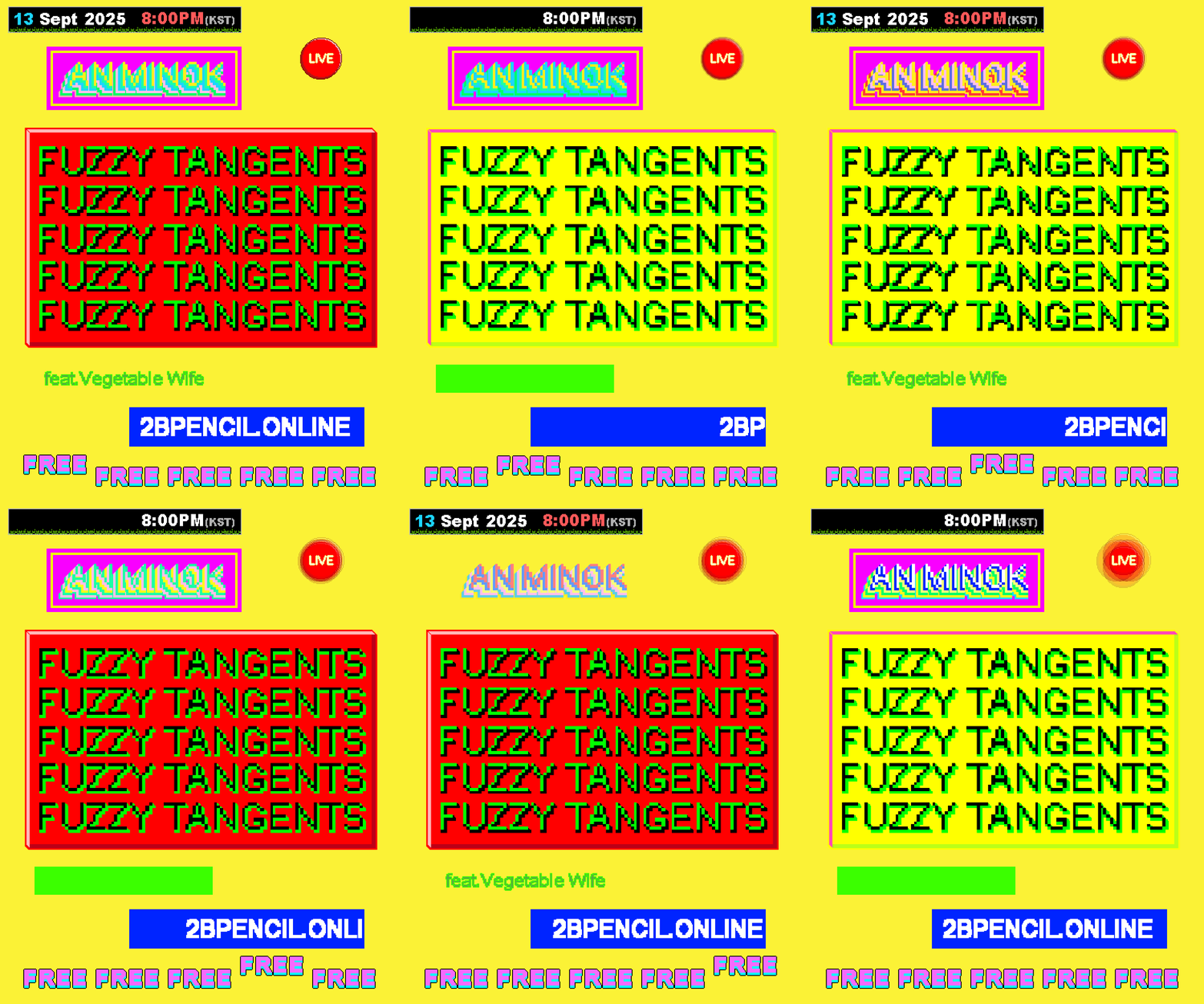
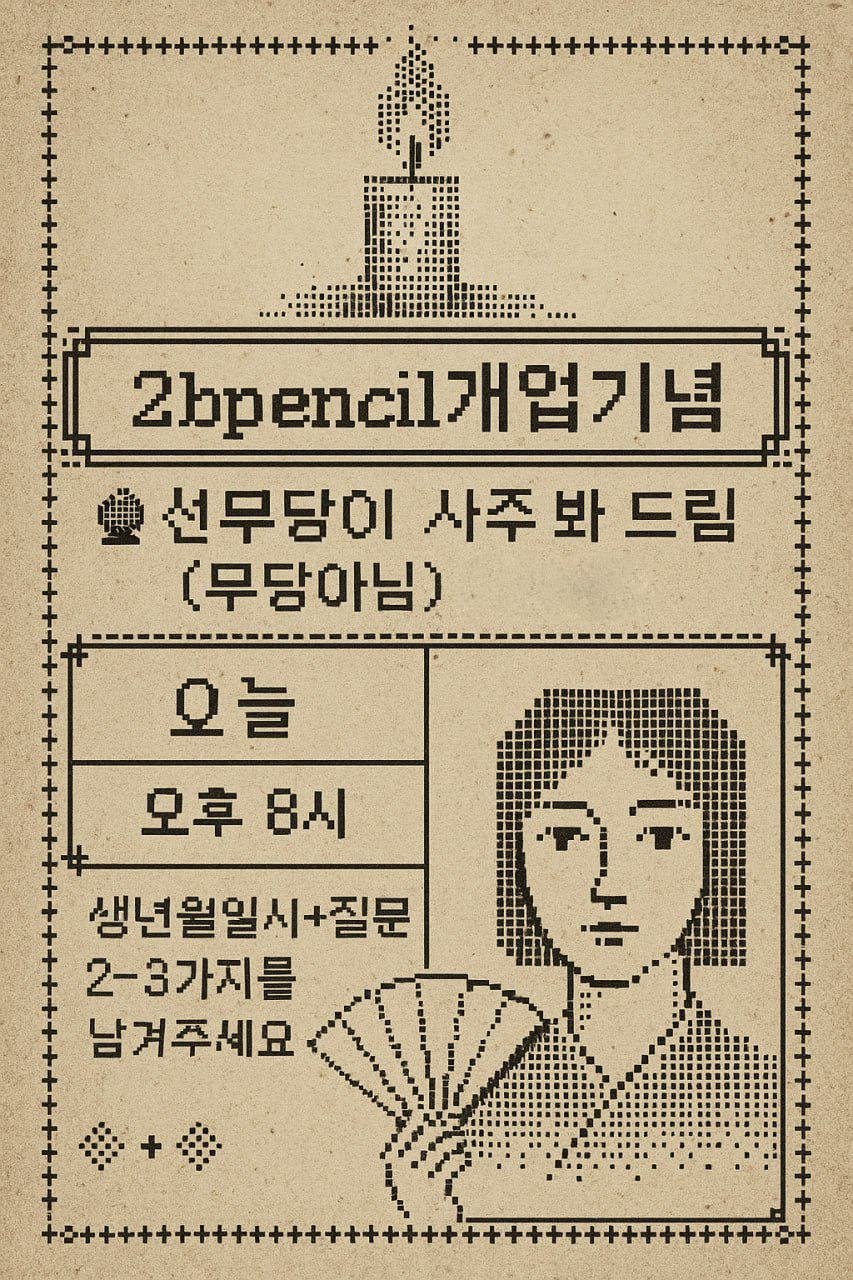
온라인 송출 및 기록: 2bpencil (@2bpencil.online)
주최 및 주관: 예술경영지원센터 아트코리아랩 AI창제작 지원
공간 협력: Wess+ (@wess.seoul)
*
Nine Forests:
SSS Zine Vol. 1 Launch Event:
There Are Many Things I Want to Know
Sunday, November 22, 2026, 2 PM
Nine Forests
SSS (System for Subsonic Skills) has sought to uncover what humans alone can cultivate, through skills that go unmeasured and lie below the threshold of consciousness. These are, for the most part, things whose final form cannot be predicted or derived from their initial conditions, and we have chosen to call them a "subsonic" system of thought. They carry intentions that do not show on the surface and techniques that cannot easily be learned, yet they still convey something of value to the observer.
The subsonic layer reveals human qualities that AI has not yet replaced. Put optimistically, these are also qualities that AI should not replace in the future, because raw, self-evolving intention and execution are what drive such work. SSS defines this system of subsonic skills as an interpretable ontology of more than one hundred human capabilities. This ontology captures human intention and self-evolving execution. The system was, in fact, discovered through AI. The curiosity agent explores a person's experience and helps them discover for themselves the subsonic skills buried within it.
These intentions shape their outcomes in three spaces: the physical space where sound works are installed, the embedding space where LLMs imitate humans, and the perceptual space where an artist's personal resolve directly or indirectly changes the observer's thinking. Through SSS, we hope that people will come to work across these three spaces, taking their own subsonic skills as a system. The value this system creates is both satisfying and surprising, and it is orthogonal to the obvious abilities of humans or AI.
Nine Forests, the first presentation of SSS, mimics the load that remains within an entity, never exhausted, through the resonance of objects of different materials and forms. The potential of capabilities that have not yet been named, subsonic qualities that can never be reduced to numbers or to language, is output as nine channels of voice. Vocalizations that depart from regular periodicity, such as screams, growls and frequency jumps, refuse semantic reading, and as the sounds on which speech recognition most often fails, they have proven well suited to expressing subsonic qualities.
How can we hear, read and come to know what cannot be decoded? The SSS Zine is a webzine that gathers texts written from different positions around this question, and it is released together with the exhibition. On the last day of the exhibition, Sunday, November 22, from 2 to 5 pm, the SSS Zine launch event, There Are Many Things I Want to Know, will take place. Four contributors will each present on their own topic and then perform together. VKHNC and Boryeon Choi will give lecture performances on Apophenia Machine and Guttural Studies respectively, Ghost2 will give a talk titled There Are Many Things I Want to Know, and Aditya Shukla will present on Can AI Understand a Constructed Language?
Exhibition: Nov 19 (Thu) – 22 (Sun), 2026, 1–7 pm
Venue: Wess+
SSS Zine Vol. 1 Launch Event: There Are Many Things I Want to Know
Boryeon Choi, Guttural Studies / Lecture performance
Examines, through cases of animal vocalization, the old perceptual association that links big, low sounds with power. Focusing on how a "pressure to counterfeit," the exaggeration of body size through sound, is built into processes of evolution and learning, it reflects on the relation between masculinity and deception.
VKHNC (/ˈvɑ·kɑŋ·si/), Apophenia Machine / Lecture performance
Introduces the "apophenia machine," a device that, using only arithmetic, Boolean algebra and trigonometric functions, always extracts a message of 100% reliability from 100% random noise.
Aditya Shukla, Can AI Understand a Constructed Language? / Slide presentation
Starts from the theory that consciousness arises from limited computational resources. Building on this view of memory and attention as devices that compress the world, it asks whether AI can decode a constructed language (conlang) made by humans.
Ghost2, There Are Many Things I Want to Know / Talk
Proposes that we regard the capacities to observe, interpret and judge as "the machine within me," and rereads our present condition of having to live alongside conversational agents through the concept of "dementia technology.”
Planning, Sound Design: Boryeon Choi (@choi_boryeon)
Development: Aditya Shukla (@Shredwarrior)
Artwork: Jisu Park (@gibun222ahnjoah)
Production and Installation: Joowon Choi (@joowon__)
Online Streaming and Documentation: 2bpencil (@2bpencil.online)
Organized and Presented by: Korea Arts Management Service, Art Korea Lab AI Creation Support
Space Support: Wess+ (@wess.seoul)